
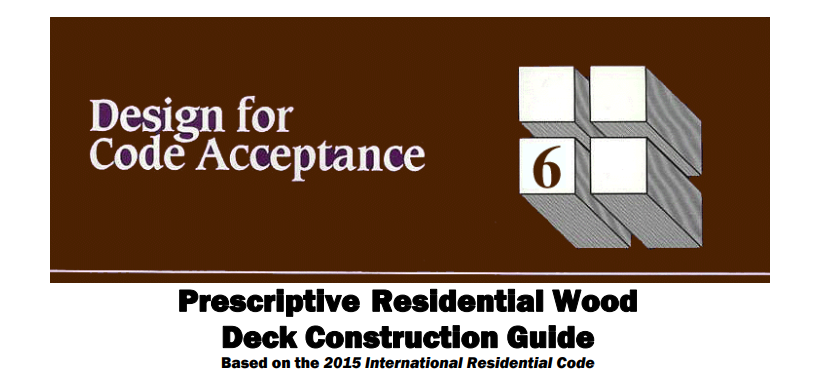
When it comes to building a deck, homeowners often envision a beautiful outdoor space for relaxation, entertaining, or simply enjoying a bit of fresh air. However, turning that vision into a safe, durable reality requires more than just quality materials and a skilled hand—it demands an understanding of the standards that ensure your deck stands the test of time. One such critical standard is the American Wood Council’s Prescriptive Residential Wood Deck Construction Guide, commonly known as DCA-6. If you’re planning to hire a deck builder, choosing one familiar with DCA-6 could make all the difference. Here’s why.
What Is DCA-6?
DCA-6 is a comprehensive, free resource developed by the American Wood Council (AWC), a trusted authority in wood construction standards. Unlike the broad performance-based requirements of the International Residential Code (IRC), which outlines minimum safety standards and leaves much to interpretation, DCA-6 is a prescriptive guide. This means it provides detailed, step-by-step instructions for designing and constructing a residential wood deck that complies with safety and structural standards—essentially a blueprint for success.
Updated periodically to align with the latest IRC versions (like the 2015 edition), DCA-6 covers everything from joist and beam spans to post attachments, ledger connections, and guardrail requirements. It’s tailored for single-level, attached residential decks and assumes realistic conditions, such as wet wood service (common for outdoor decks) and typical live loads of 40 pounds per square foot. For homeowners, this guide is a gold standard that ensures their deck isn’t just aesthetically pleasing but also structurally sound.
The Importance of DCA-6 and Deck Construction

Building a deck might seem straightforward—nail some boards together, add a railing, and you’re done, right? Not quite. Decks are complex structures that must withstand weather, weight, and time. Without proper design, they can sag, wobble, or even collapse, posing serious safety risks. DCA-6 addresses these concerns by offering clear guidelines that eliminate guesswork. For example, it specifies how far joists can span based on wood species and size, how beams should connect to posts, and how to secure a ledger board to your home to prevent detachment—a common cause of deck failures.
For customers, this translates to peace of mind. A deck built to DCA-6 standards isn’t just compliant with most local building codes; it’s engineered to endure. Whether it’s hosting a summer barbecue or surviving a stormy winter, a DCA-6-compliant deck is designed to perform.
The Advantage of Hiring a DCA-6-Savvy Deck Builder
Not all deck builders are created equal. While many can hammer boards together, a builder familiar with DCA-6 brings a level of expertise that sets them apart. Here’s why that matters for you:
- Safety First: A deck builder who knows DCA-6 understands the importance of details like proper post-to-beam connections or guardrail strength—elements that prevent accidents. They won’t cut corners or rely on outdated methods that might leave your deck vulnerable.
- Code Compliance Made Simple: Most municipalities base their deck regulations on the IRC, and DCA-6 aligns seamlessly with it. A knowledgeable builder can navigate these requirements effortlessly, ensuring your project passes inspections without costly delays or revisions.
- Durability You Can Trust: DCA-6 accounts for real-world conditions, like moisture exposure, that affect wood over time. A builder who follows its guidelines selects the right materials and techniques to maximize your deck’s lifespan, saving you from premature repairs.
- Tailored Expertise: While DCA-6 has limitations (it doesn’t cover multi-level decks or heavy snow loads, for instance), a skilled builder knows when to adapt or consult an engineer for custom designs, ensuring your unique vision still meets safety standards.
- Value for Your Investment: A deck is an investment in your home’s enjoyment and resale value. Hiring a builder versed in DCA-6 means you’re getting a structure built to a recognized standard, not a makeshift project that might need replacing in a few years.
Questions to Ask Your Deck Builder
Before signing a contract, confirm your deck builder’s familiarity with DCA-6. Ask:
- “Are you familiar with the AWC’s DCA-6 guide?”
- “How do you ensure your decks meet or exceed local code requirements?”
- “Can you walk me through how you’d attach the ledger or size the joists for my project?”
A confident, detailed response is a good sign you’ve found a pro who prioritizes quality and safety.
Build Smart, Build Safe
Your deck should be a source of pride, not a headache. By hiring a deck builder who understands DCA-6, you’re choosing a partner who can deliver a safe, sturdy, and stunning outdoor space. The American Wood Council designed this guide to empower builders and protect homeowners—so why settle for less? When you invest in a deck, invest in expertise. Choose a builder who knows DCA-6, and enjoy your new favorite spot for years to come.