
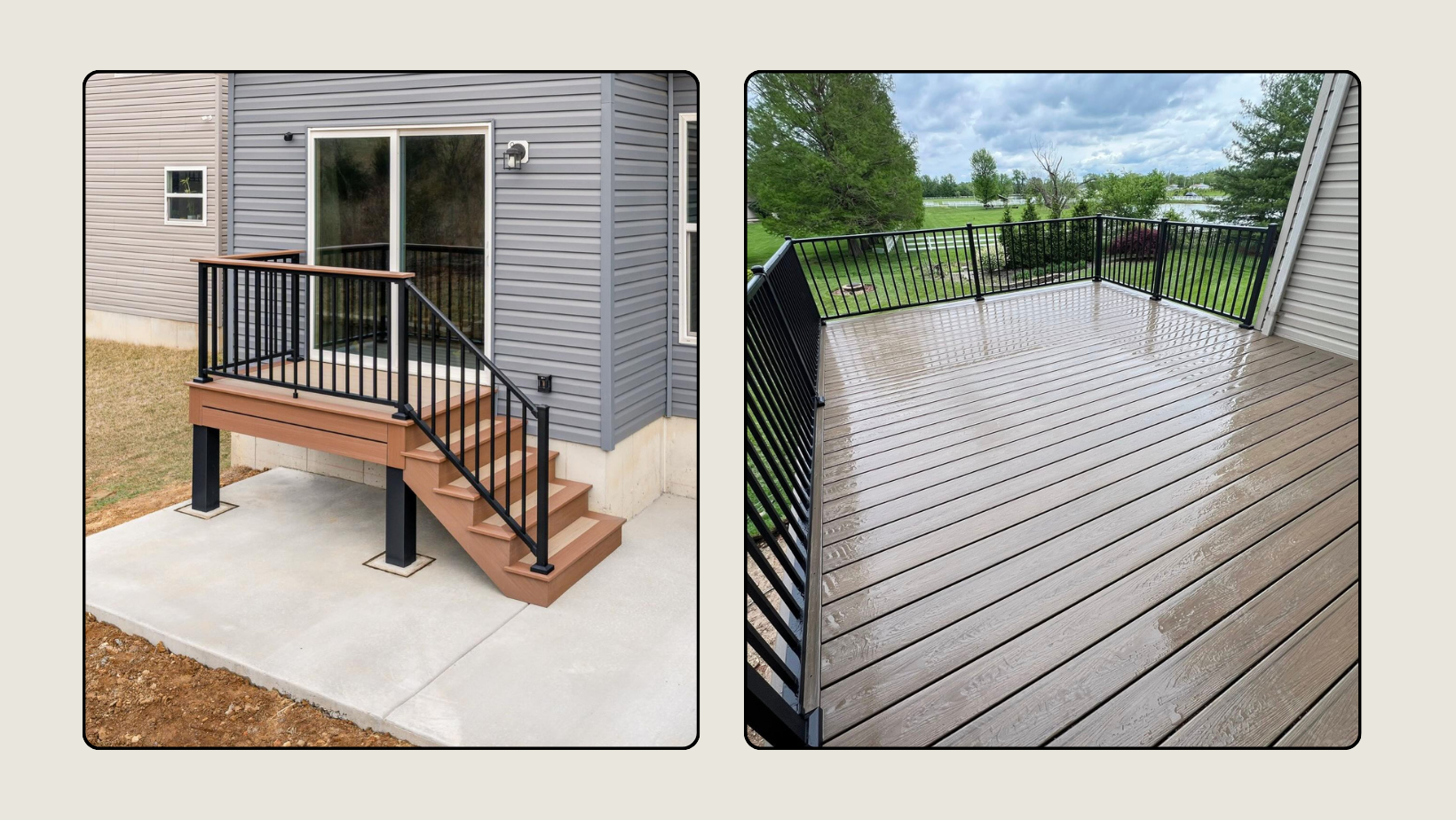
Building a deck is one of the best ways to upgrade your outdoor living space. But behind every beautiful surface board and modern railing system is something far more important — the structural frame. When framing is done incorrectly, even the most expensive deck materials can fail.
In fact, many long-term deck issues in Missouri homes trace back to poor framing decisions. That’s why more homeowners are turning to Engineered Structural Framing in St. Louis instead of traditional methods.
If you’re planning a new build or replacing an old deck, here are the most common structural framing mistakes — and how experienced deck builder St Louis MO professionals avoid them.
Why a Safe and Durable Deck Is Built on Structural Framing
The base of any deck is its structural framing. Your deck’s durability, stability, and lifespan are all determined by the frame underneath even though upper boards and railings lend visual appeal. Properly built framing is essential in St. Louis, where weather varies from steamy summers to cold winters. Sagging, shifting, and moisture damage can be avoided by using high-quality supplies and Engineered Structural Framing in St. Louis. Along with safely supporting weight, a well-built frame will safeguard your investment for many years to come.
1. Ignoring St. Louis Soil Conditions
One of the biggest framing mistakes starts below the surface — the footings.
St. Louis soil contains a mix of clay and expansive materials that shift with moisture changes. During heavy rains or freeze-thaw cycles, improperly installed footings can move, causing:
- Deck sagging
- Structural instability
- Cracked framing connections
- Uneven surfaces
Many inexperienced contractors use shallow or undersized concrete footings. Over time, this leads to movement and failure.
How Professionals Avoid This
Experienced St Louis MO deck builders design foundations based on:
- Local frost depth requirements
- Soil expansion risks
- Proper pier depth
- Load-bearing calculations
Using engineered framing systems with reinforced footings significantly improves long-term stability.
2. Using Standard Lumber Instead of Engineered Structural Framing
Traditional pressure-treated wood framing has been common for decades. However, it can:
- Warp over time
- Twist due to humidity
- Crack under heavy loads
- Absorb moisture
In Missouri’s humid summers and freezing winters, wood framing expands and contracts frequently. This movement weakens the structure.
Why Engineered Structural Framing Is Better
Engineered Structural Framing in St. Louis offers:
- Greater load-bearing capacity
- Resistance to warping
- Improved moisture protection
- Longer lifespan
Engineered systems are specifically designed to handle environmental stress, making them ideal for Midwest weather conditions.
3. Improper Ledger Board Installation
The ledger board connects your deck to your home. If installed incorrectly, it can cause catastrophic structural failure.
Common mistakes include:
- Not using proper flashing
- Skipping lag bolts
- Incorrect spacing of fasteners
- Attaching to weak rim joists
Water infiltration behind the ledger board can lead to rot and structural decay.
Professional Solution
- Install waterproof flashing systems
- Use corrosion-resistant fasteners
- Follow strict building code spacing
- Ensure secure structural attachment
A properly secured ledger is critical for deck safety.
4. Incorrect Joist Spacing
Joist spacing affects how solid your deck feels underfoot. Too wide spacing leads to:
- Bouncy deck boards
- Premature board failure
- Structural sagging
Especially with composite or PVC decking materials, incorrect spacing can void manufacturer warranties.
Best Practice
- Deck board material
- Load requirements
- Span ratings
- Engineering specifications
This ensures your deck feels stable and performs long-term.

5. Skipping Structural Load Calculations
Decks today are no longer simple platforms. Many include:
- Outdoor kitchens
- Fire features
- Pergolas
- Hot tubs
- Heavy furniture
Without proper structural analysis, the frame may not support the added weight.
How Experts Handle It
- Live loads (people and furniture)
- Dead loads (materials and built-ins)
- Snow loads common in Missouri
Structural integrity isn’t guessed — it’s calculated.
6. Poor Fastener and Hardware Selection
St. Louis humidity accelerates corrosion. Using low-grade fasteners can cause:
- Rusted connections
- Weak structural joints
- Safety hazards
Professional Approach
- Galvanized or stainless steel fasteners
- Structural screws
- Heavy-duty joist hangers
- Corrosion-resistant connectors
These components protect the frame from moisture damage.
7. Inadequate Beam Support
Beams carry the structural load of the deck. If undersized or improperly spaced, they can cause:
- Visible sagging
- Structural stress
- Uneven surfaces
What Professionals Do Differently
- Follow engineering span charts
- Install double or triple beams when required
- Use reinforced structural brackets
- Ensure proper post spacing
Engineered framing systems further strengthen beam performance.
8. Poor Drainage Planning
Water is the number one enemy of deck framing.
Without proper drainage:
- Moisture builds up
- Framing rots
- Mold forms
- Structural weakening occurs
Smart Framing Design
- Allow proper airflow
- Install drainage gaps
- Use protective tape over joists
- Design slope for runoff
These small details significantly extend deck lifespan.
9. Not Following Local Building Codes
St. Louis has specific building regulations for:
- Guardrail height
- Stair construction
- Framing spans
- Footing depth
Failure to follow code can result in fines, failed deck framing inspections, or forced reconstruction.
Why This Matters
- Code-compliant framing
- Proper permit handling
- Safe structural design
- Long-term peace of mind
10. DIY Framing Without Engineering Knowledge
DIY deck projects often underestimate structural complexity. While surface boards may look simple, framing requires:
- Accurate load calculations
- Structural engineering principles
- Code knowledge
- Proper material selection
Mistakes can be dangerous and costly to fix.
That’s why many homeowners ultimately hire professionals after DIY framing issues appear.
Why Engineered Structural Framing Is the Future in St. Louis
Modern deck construction has evolved. Homeowners now expect:
- Long-lasting performance
- Minimal maintenance
- Higher safety standards
- Modern design flexibility
Engineered Structural Framing in St. Louis provides:
- Stronger structural systems
- Reduced long-term repairs
- Better moisture resistance
- Improved load distribution
- Enhanced safety
When combined with professional installation, engineered systems outperform traditional wood framing.
Trust Signals That Matter
When choosing a deck contractor, look for:
- Licensed and insured professionals
- Proven local experience
- Knowledge of St. Louis soil and climate
- Code-compliant construction
- Positive customer reviews
- Transparent project timelines
Reputable St Louis MO deck builders prioritize structural safety before aesthetics.
Because a deck should not only look beautiful — it should stand strong for decades.
Final Thoughts
Structural framing is the backbone of every successful deck project. While surface materials get attention, it’s what’s underneath that truly determines safety and durability.
Avoiding common framing mistakes can save you from:
- Expensive repairs
- Structural instability
- Safety risks
- Premature deck failure
Choosing experienced professionals who specialize in Engineered Structural Framing in St. Louis ensures your deck is built the right way from the ground up.
Custom Deck Quote & Options Form
Tell us about your ideal deck! Complete this quick form to share your deck size, materials, style preferences, and any add-on features you want. Once submitted, our team will review your selections and get back to you with a tailored quote and next steps.